

Anti-Aging & Skin Rejuvenation · Fresno, California
PRP Microneedling
A treatment that combines traditional microneedling with platelet-rich plasma drawn from the client's own blood. The plasma, rich in growth factors, is applied during the procedure to amplify healing and collagen production. Often called a vampire facial, this approach enhances the rejuvenating benefits of microneedling, helping improve texture, tone, fine lines, and acne scarring while promoting a fresher, more radiant complexion. A series of sessions is usually recommended.
Price$450
Duration60 mins
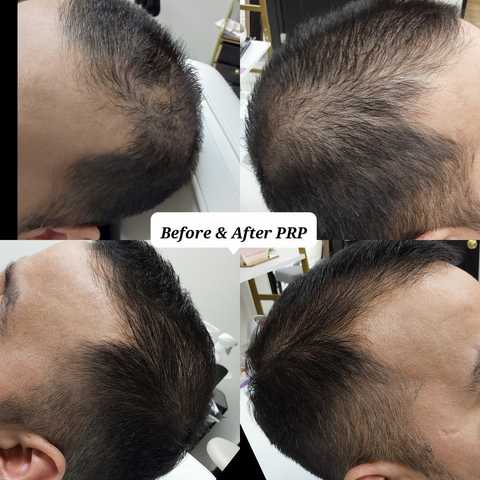
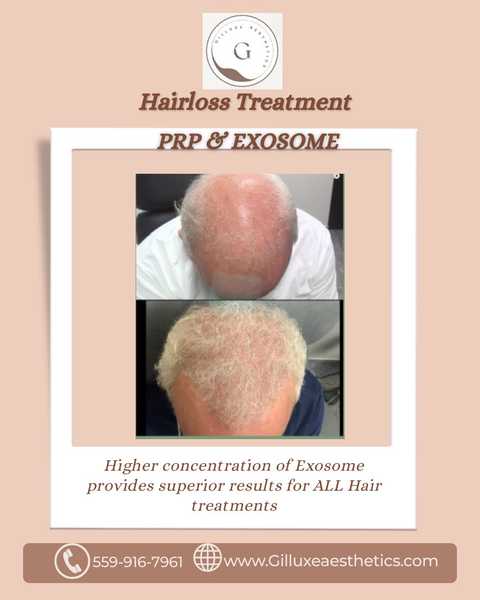
PRP Microneedling Gallery
$$MultiPurposeText$$
See examples of our PRP Microneedling work and results.







What Our Clients Say
$$MultiPurposeText$$
Read testimonials from our satisfied customers

She is a professional that wants the best for her clients. I am so lucky to have met her b...more

Great first time experience!

Great service! I loved it here!

It was great experience, She is very nice and explained each and everything nicely.

I love how harjeet explained me whole VI peel, in simple words and love my skin ❤️

Amazing customer service! I love how she explains everything. I felt so comfortable with h...more

Frequently Asked Questions
Get answers to common questions about PRP Microneedling.
PRP microneedling combines traditional microneedling with platelet-rich plasma from your blood, enhancing skin rejuvenation.
The treatment involves drawing your blood, processing it to extract PRP, and applying it during microneedling to stimulate healing.
Most clients report mild discomfort, but a topical anesthetic is applied to minimize pain during the procedure.
A series of 3-6 sessions is typically recommended for optimal results, spaced about 4-6 weeks apart.
You may experience redness and slight swelling, but these symptoms usually subside within a few days.
Side effects are rare but can include bruising or minor irritation at the treatment site.
Ready To Book PRP Microneedling?
$$MultiPurposeText$$
Schedule your prp microneedling appointment today and experience the difference.
Read more about PRP Microneedling
$$MultiPurposeText$$
Explore our latest insights and guides on PRP Microneedling.
